(this text can also be heard in the audio clip)
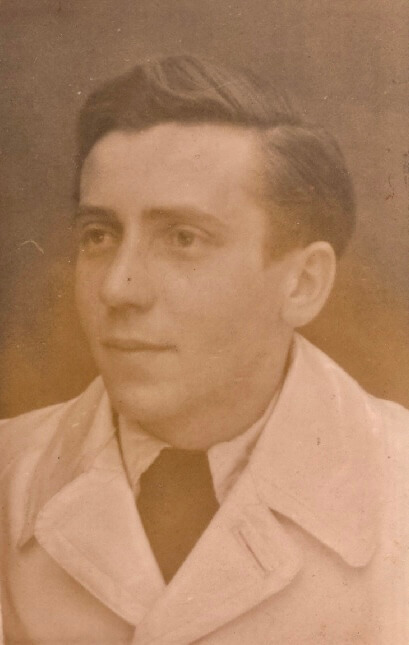
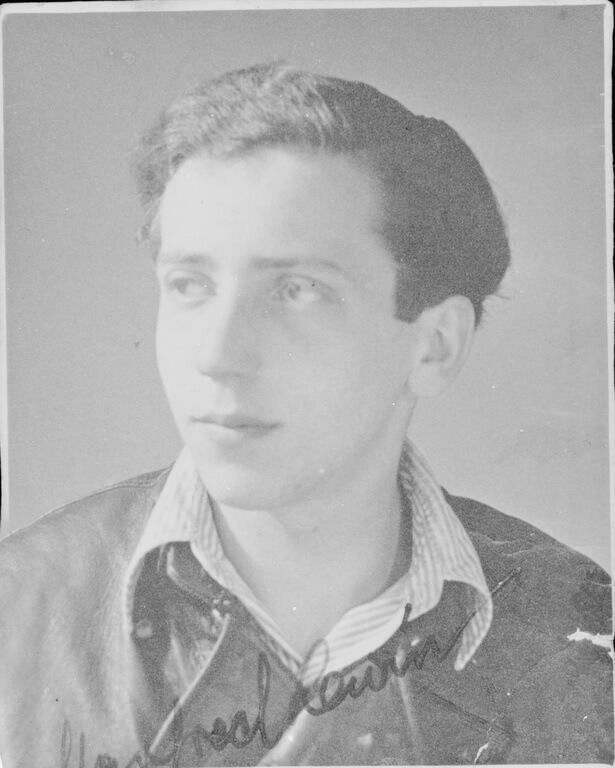
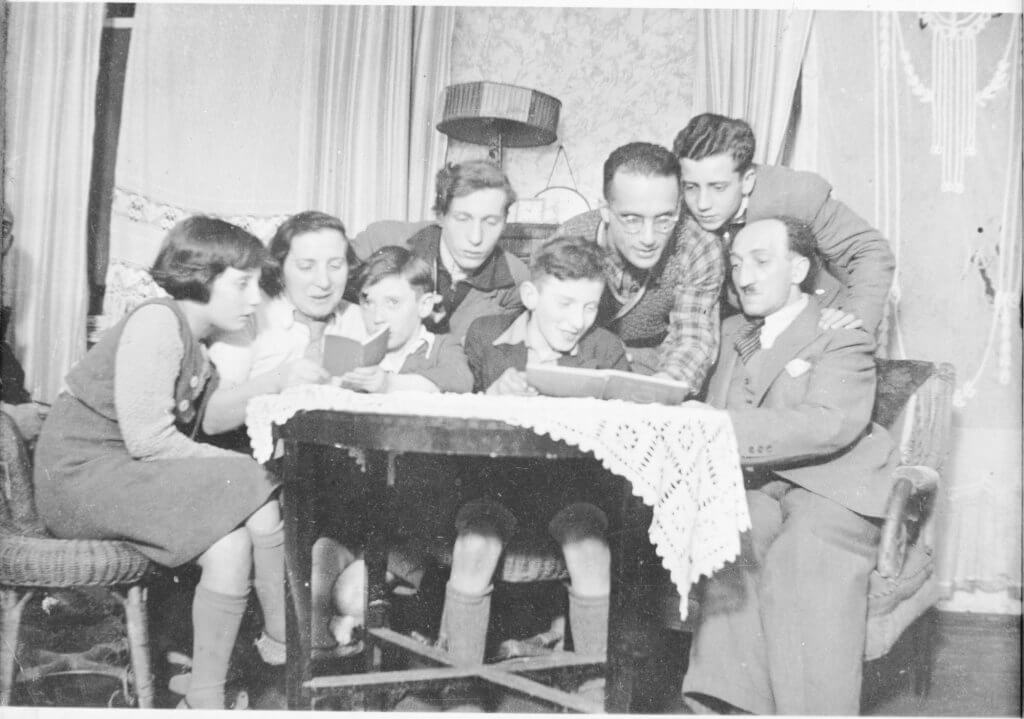
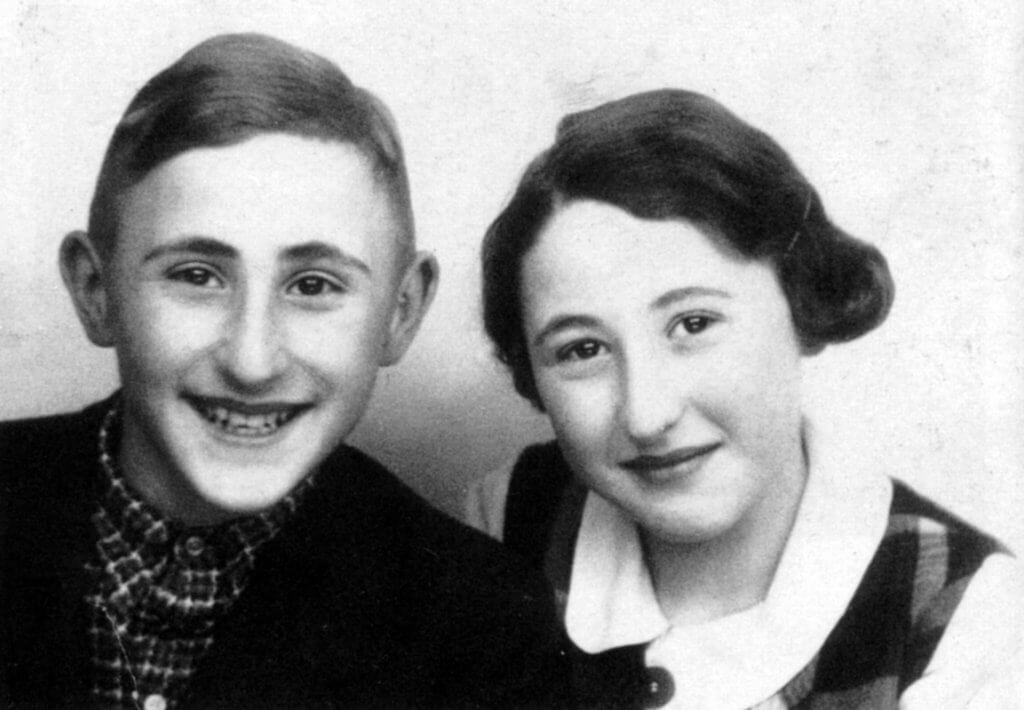
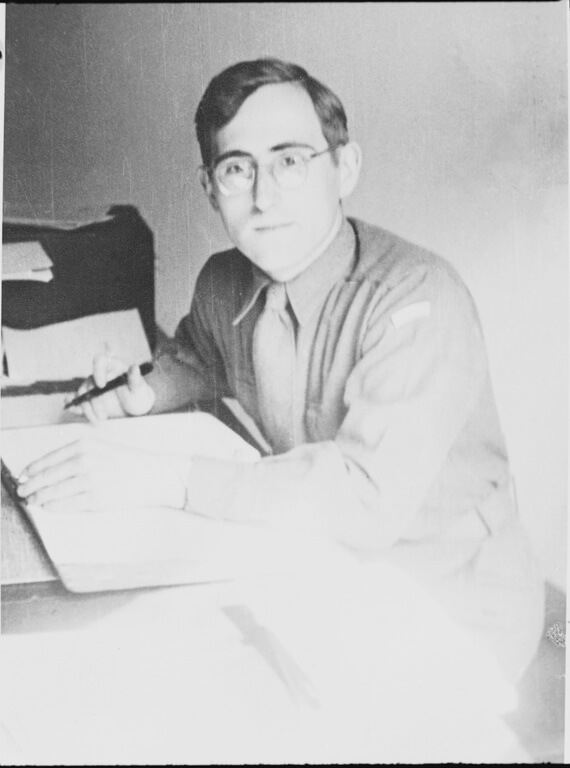
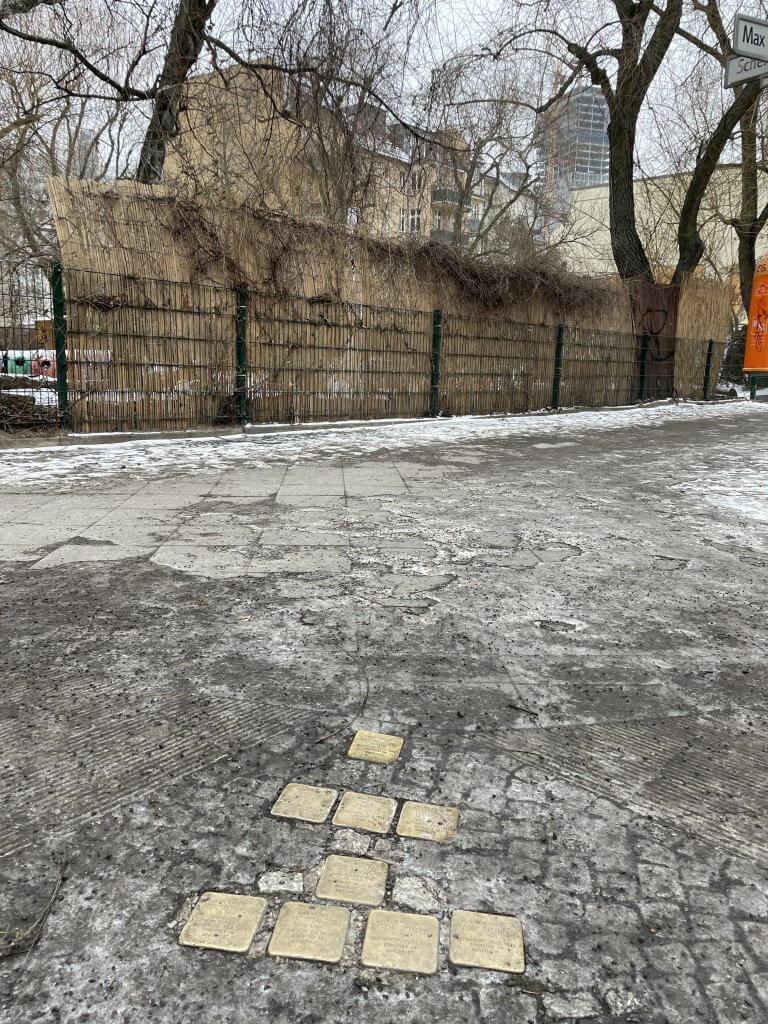
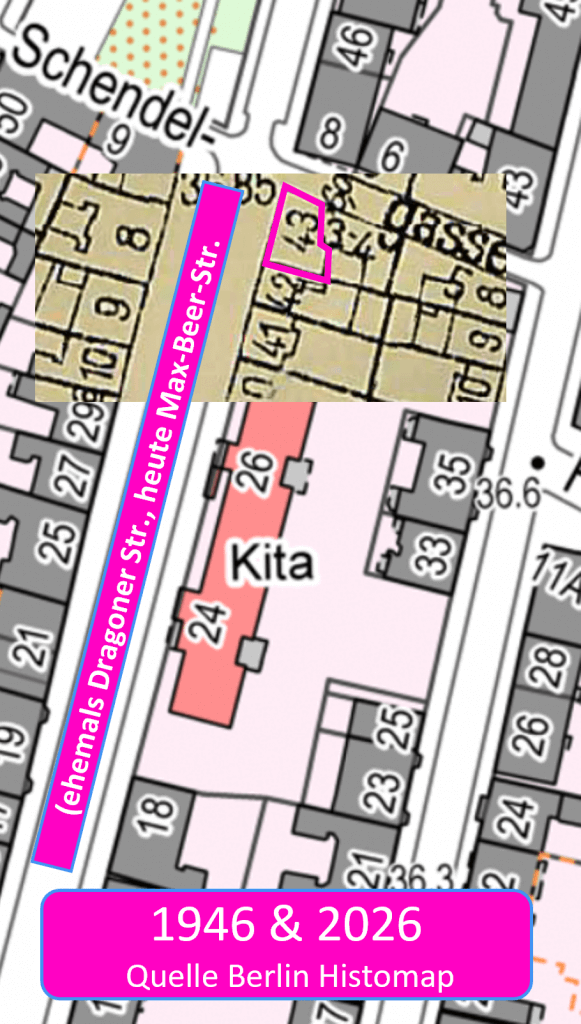
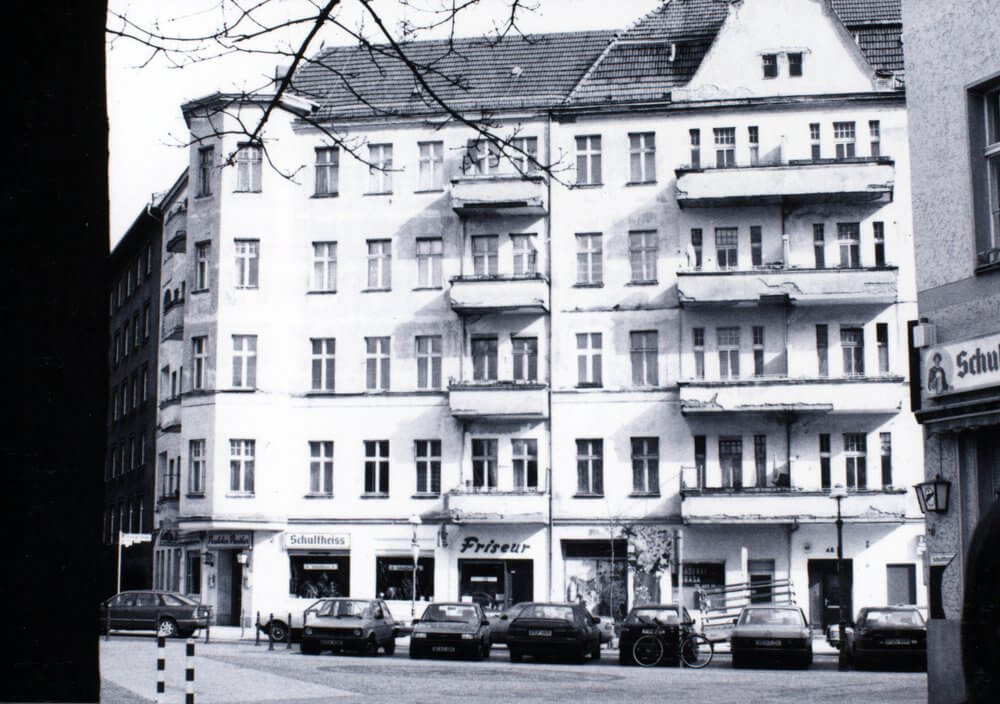
Manfred Lewin was born on September 8, 1922, in Berlin into a thoroughly Jewish family that was deeply rooted in everyday Berlin life. He was the second oldest child of secretary Jenny Lewin (née Coeln) and hairdresser Arthur Lewin. He lived with his parents, his brother Siegfried, who was two years older, and his younger siblings Rudolf, Cäcilie, and Gerd at Witzenhauser Straße 57b in Hohenschönhausen. In 1936, the family was forced to move to Dragoner Strasse 43 (now Max-Beer-Strasse 38), where they lived on the third floor in three small rooms until their deportation.
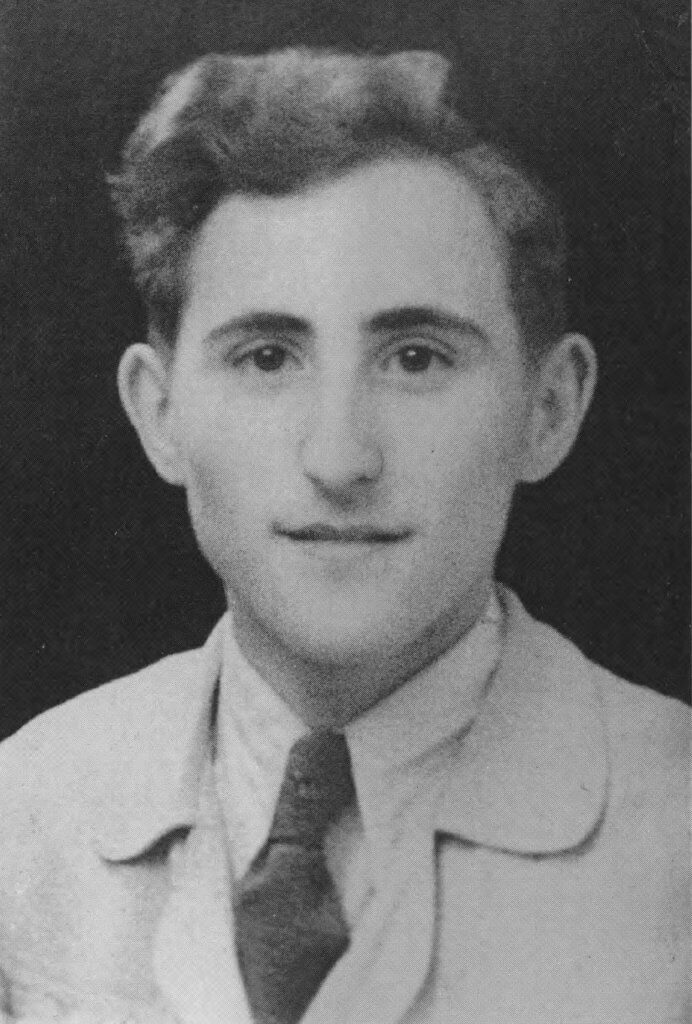
Gad Beck was born in 1923 as Gerhard Beck at Prenzlauer Str. 46, now Karl-Liebknecht-Str. 32 in Berlin-Mitte, the son of a Jewish father from a religious family in Vienna and a Christian mother. His mother converted in order to marry his father. At first, neither family wanted to accept the mixed marriage, but over time they changed their attitude. The Christian Berlin family became a strong and active source of support in the difficult times that followed. Gad grew up in a family where both Jewish holidays such as Hanukkah at home and Christian Christmas at his grandmother’s house played an important role.
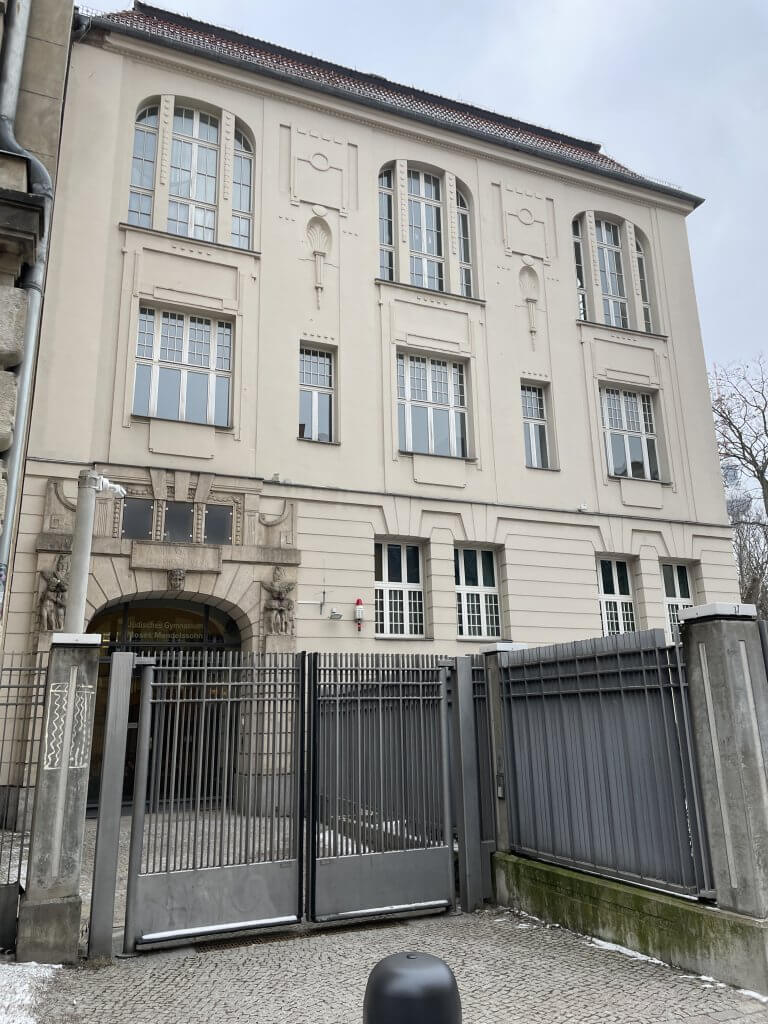
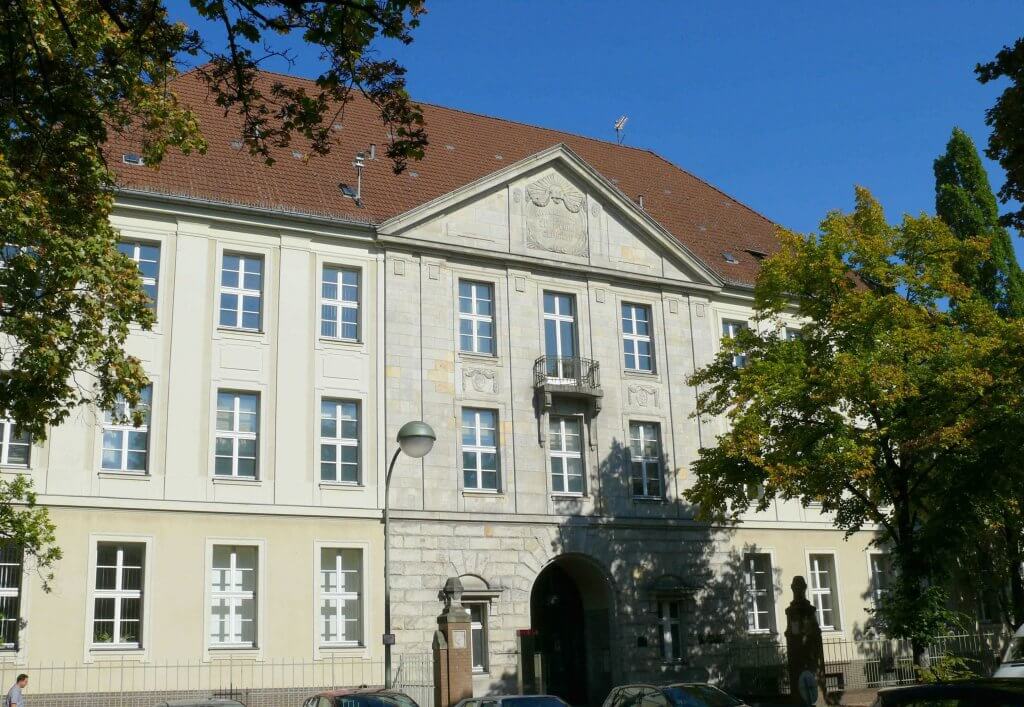
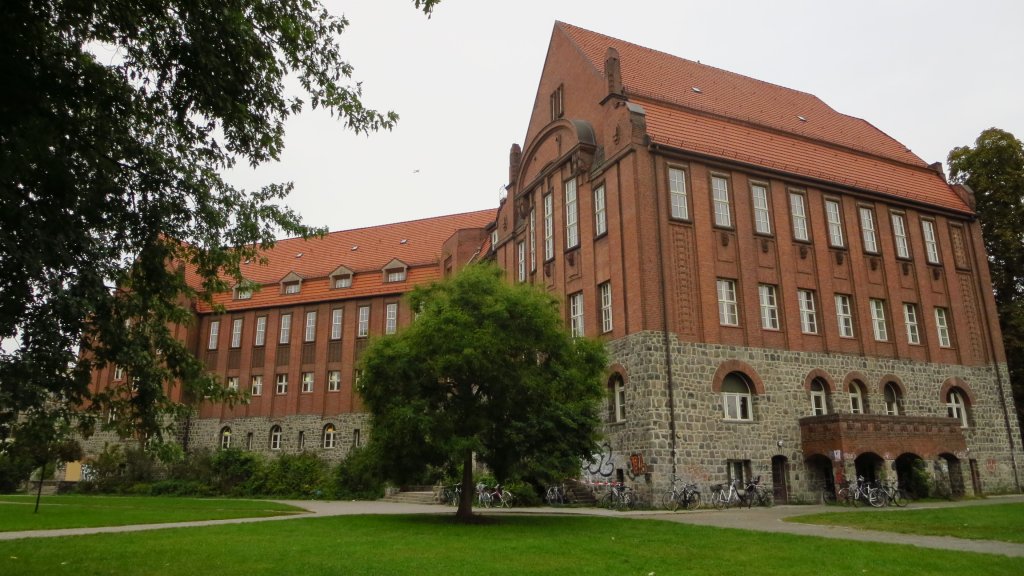
The family lived at Woelckpromenade 6 in Weissensee from the mid-1920s, when Gad’s life began to change in 1933. His school, the Weißenseer Reform-Realgymnasium, was renamed Günther-Roß-Oberschule in 1933 after a fallen Nazi. Today it is the Primo-Levi-Gymnasium. During the flag ceremony, Gad and the other Jewish children now had to stand apart, were bullied and excluded. Gad no longer felt comfortable here and urged his parents to send him to the Jewish high school, today the Jüdisches Gymnasium Moses Mendelssohn on Große Hamburger Straße in Mitte.
Early on as a teenager, he recognized his sexual interest in boys. After his first homoerotic experience at the age of 12, he spoke openly about it with his mother, who said, “I already thought so.” He no longer had to hide his homosexuality at home.
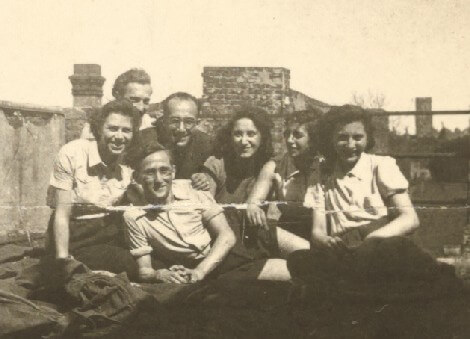
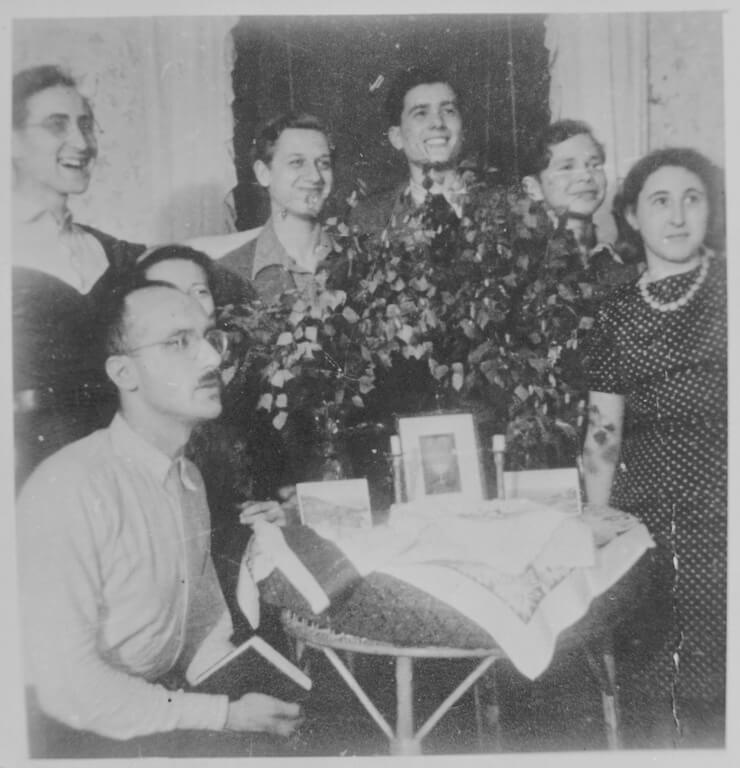
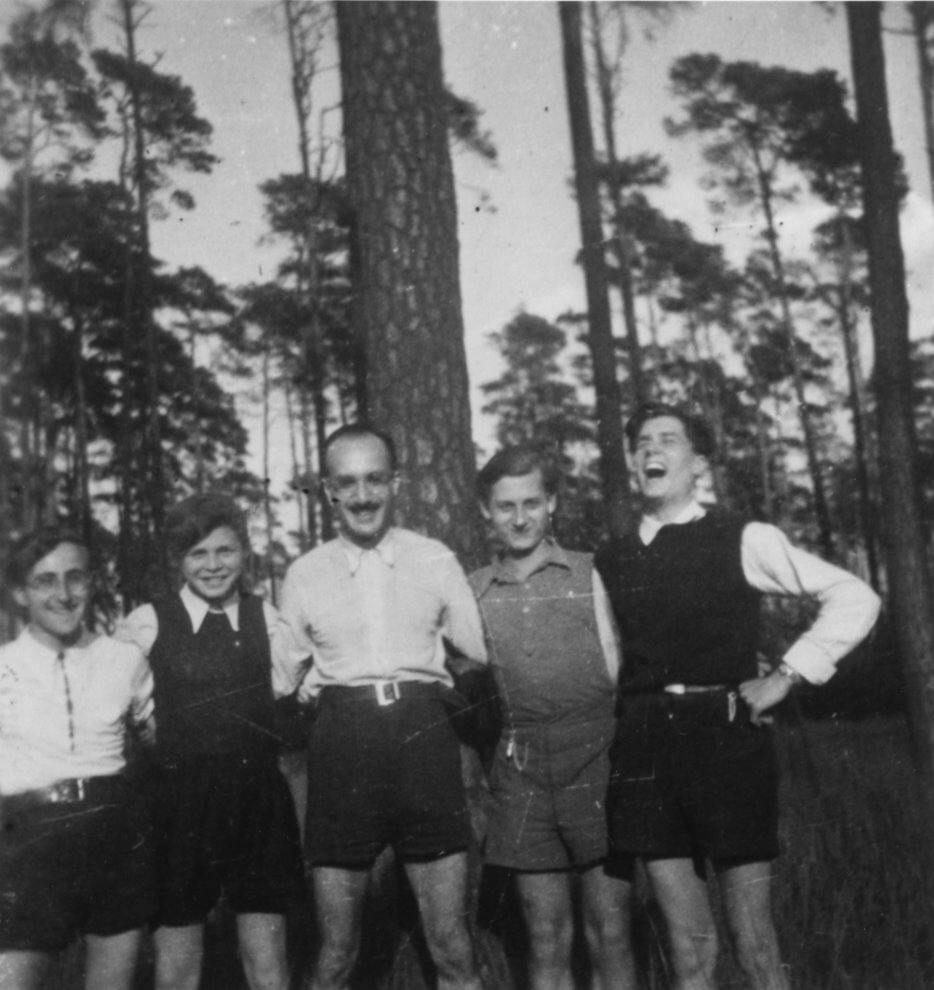
The increasing anti-Semitic persecution from 1933 onwards made Gad more interested in his Jewish heritage. Also because other activities were forbidden for Jews, he became involved in the Jewish-Zionist scout-like youth group “Hechaluz” which strengthened his Jewish self-confidence and prepared him for a possible emigration to Palestine. He began to use the Hebrew name “Gad,” which later became his permanent name.
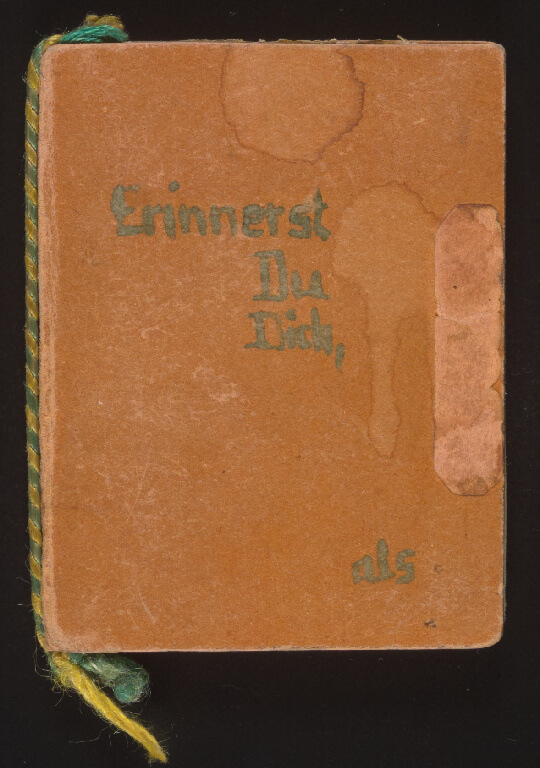
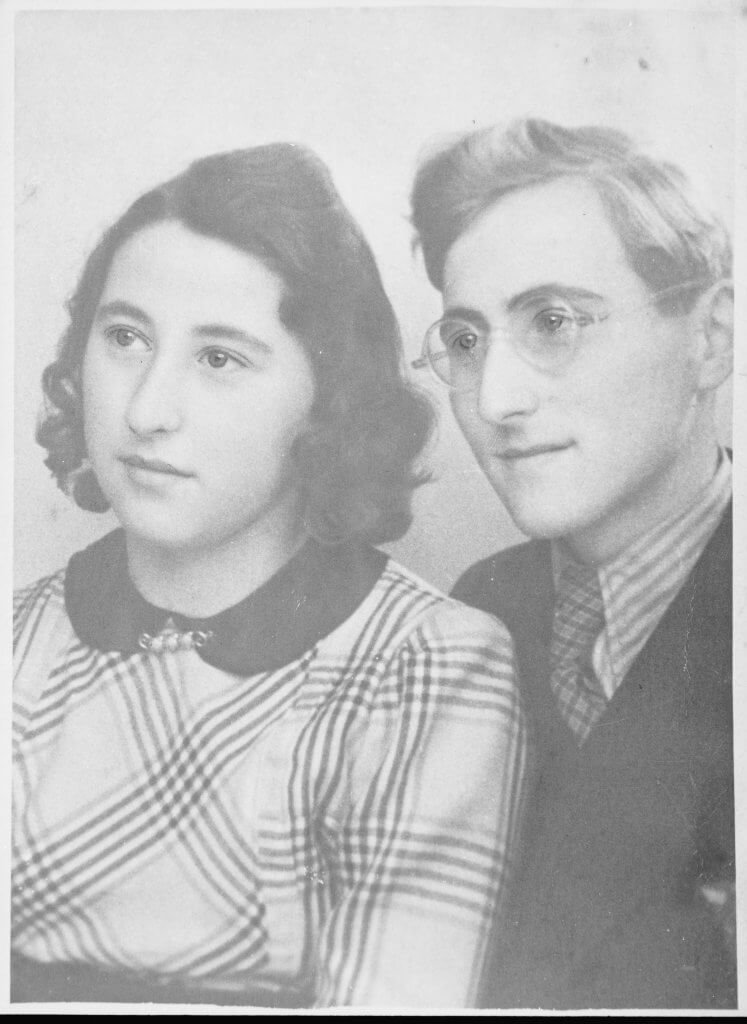
At Hechaluz in 1941, Gad also met Manfred Lewin, and they fell in love during theater rehearsals for Don Carlos. Gad later recalled, “Our love was so strong, the nights belonged to us.” Manfred gave Gad a small notebook in which he wrote: “And our bond grew closer as Carlos found favor everywhere.” The two spent many nights together, often in the Lewin family’s cramped apartment, where overnight guests were not unusual due to the nightly curfews for Jews. They particularly enjoyed the nights when they had to keep fire watch in houses. This allowed the two of them to spend hours together full of love and passion. In the booklet, Manfred writes ambiguously: “The night is not just for sleeping, my dear, that’s why we have stayed awake so much.”
In the fall of 1941, the deportations of Jews to the East began. The Jewish community issued the slogan that families should not be separated, which proved to be fatal advice for some. Some members of the Hechaluz, including Gad, later went into hiding because they found the unclear prospects of alleged jobs in Poland suspicious.
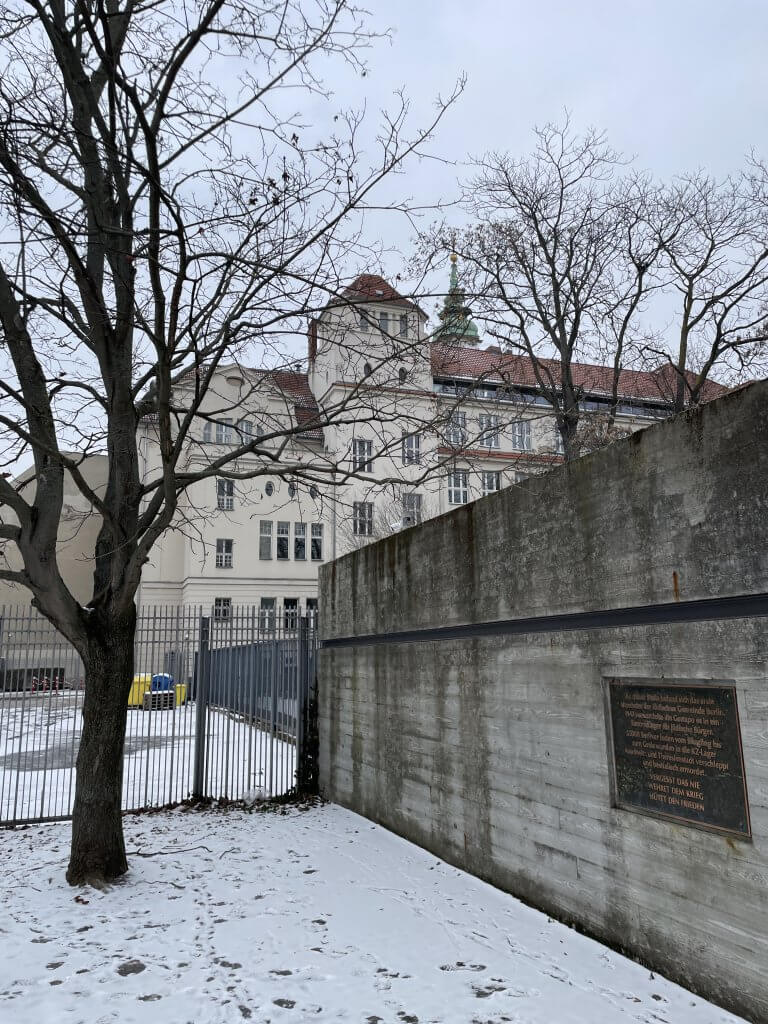
Manfred was forced to work in a painting business. In 1942, the Lewin family received a deportation order. Gad, who was initially better protected due to his “mixed marriage” background, was encouraged by Manfred’s employer to make a daring rescue attempt. He lent Gad a Hitler Youth uniform, and Gad went to the collection camp, which was located in his former school. He claimed to the SS-Obersturmbannführer that Manfred was a saboteur who had keys to customers’ houses. He actually managed to leave the former school with Manfred. In an interview, Gad says: “And we both walk out of this gate, are in Große Hamburger Straße, walk towards Hackescher Markt to a manhole cover that is still there today. The same one! I gave him twenty marks and said, ‘You go to Uncle Bobby right now. You know I’ll come later, we’ll continue. He took the twenty marks. Didn’t say anything. […] ‘No,’ he said, ‘Gad, I can’t go with you. My whole family is there, and my whole family is sick and old and broken. I’ll never feel free if I sneak away from them now.’ He turned around and went back….”
Together with his mother Jenny, his father Arthur, his 14-year-old sister Cäcilie, and his 12-year-old brother Gerd, Manfred was deported to Auschwitz on November 29, 1942, and murdered there at the age of 20. His two older brothers, Rudolf and Siegfried, were also deported to Auschwitz in February 1943. No one from the Lewin family survived the Shoah.
The loss of his beloved strengthened Gad’s resolve to actively resist. He became a leading figure in the Jewish resistance group “Chug Chaluzi” (Circle of Pioneers). The group met in various apartments, including the Lewin family’s home, but also frequently at their headquarters on Utrechter Strasse (now Groninger Strasse) in Wedding. Gad lived here in hiding with his friend Zwi Aviram. From here, starting in 1943, Jews living in hiding were provided with false papers, money, food, and hiding places, and some were assisted in fleeing to Switzerland. Hans Rosenthal, who later celebrated great success with “Dalli Dalli,” was also supported. Gad Beck used his contacts and abilities to connect with people from different backgrounds and identify those whose hearts were in the right place: Christian supporters, soldiers on home leave, sex workers, and Gestapo officers.
In all the environments he was sometimes forced into, he looked for men he liked. He chose one and ensnared him. Before and after Manfred, he had several acquaintances and homosexual adventures and relationships. He drew his positive life energy from closeness and intimacy. In an interview, Gad said that being gay played a positive role in his life. It gave him the strength he needed during the struggle.
On March 2, 1945, Gad’s group fell into a trap set by the Gestapo. Gad and Zwi were arrested at the Chug Chaluzi headquarters and imprisoned in the converted Jewish Hospital. A bomb saved Gad from deportation to Sachsenhausen, and so he experienced the end of the war and his liberation in the Jewish Hospital.
Miraculously, Gad, his sister, and his parents survived. In 1947, the Beck family emigrated to Palestine. Gad fought in the War of Independence in 1948, studied psychology, and worked for several years to integrate many immigrants into Israel.
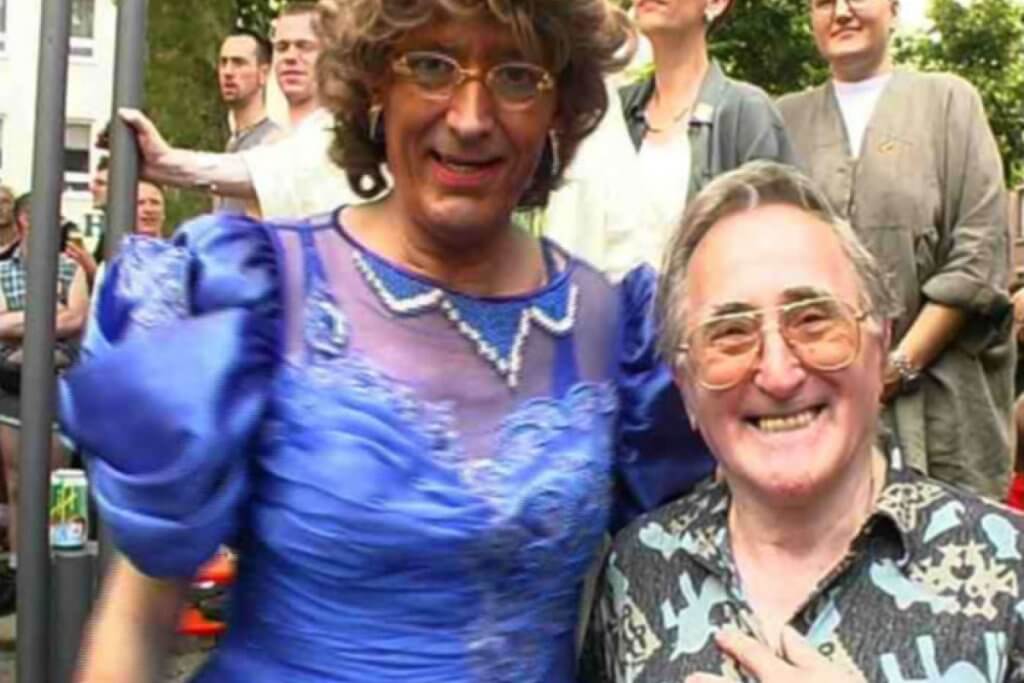
In 1978, he returned to Germany, became director of the Jewish Adult Education Center in Berlin, and participated as a visible gay activist in CSD demonstrations in Cologne, Berlin, and New York. He shaped and strengthened Jewish and queer life in West Berlin. Gad found personal happiness for decades with the “beautiful Julius” Laufer.
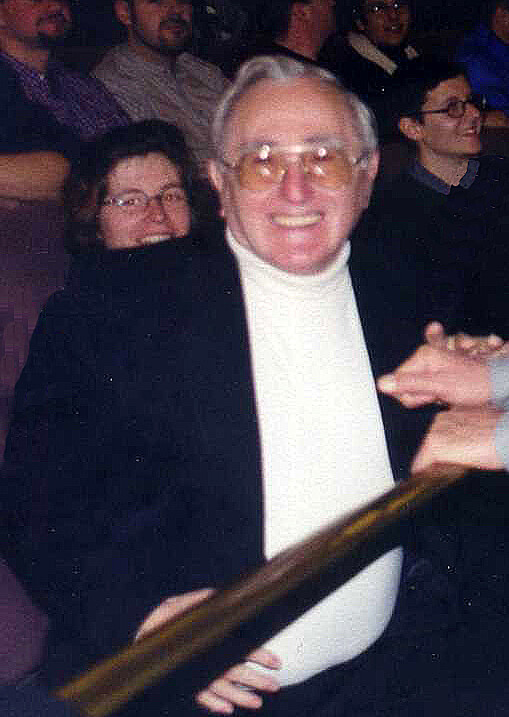
In the 1990s, he published his autobiography “An Underground Life: Memoirs of a Gay Jew in Nazi Berlin” and appeared internationally as a contemporary witness. Gad was a phenomenal storyteller. There are many video recordings that show him as a sympathetic, gesticulating, empathetic, and committed person. Many of these scenes are also included in the documentary film “The Freedom of Storytelling – The Life of Gad Beck), released in 2006 in German. Gad conveys an immediacy that is impossible to resist.
In Gad’s interviews and statements, memories and embellishments blur, and contradictions emerge, including a companion who completely questions the farewell story with Manfred. Gad conveyed his filtered view of the world to us. It is his way of being not a victim, but the master of his story, which is a positive narrative.
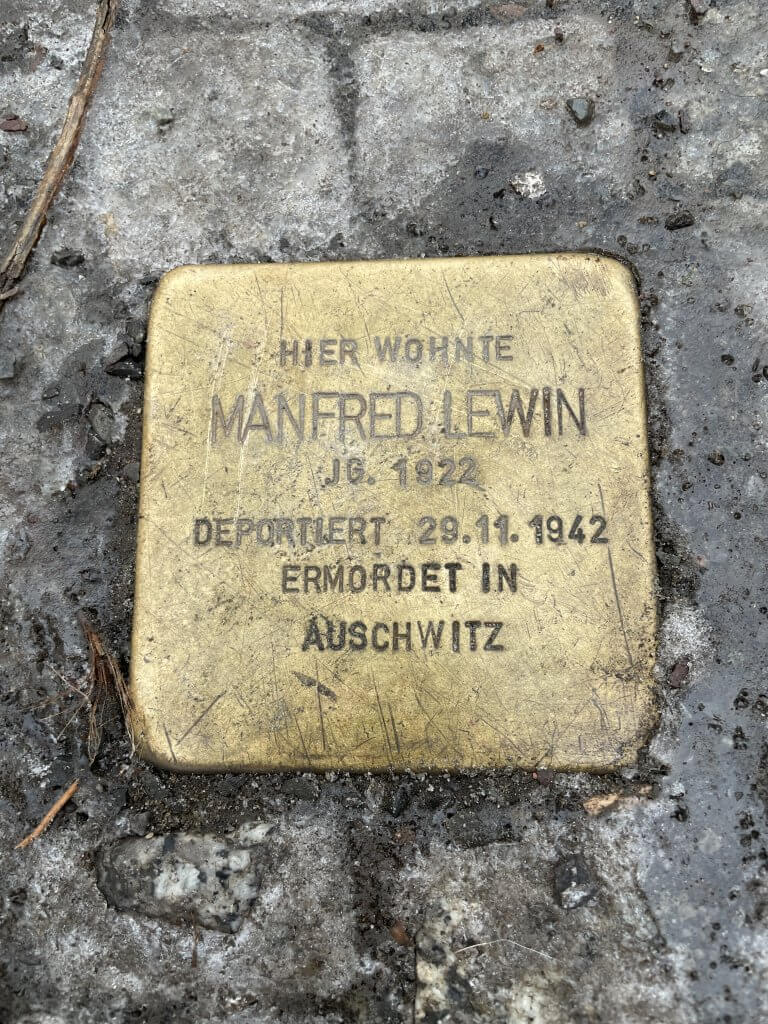
Since May 2011, a Stolperstein (stumbling stone) at Max-Beer-Str. 38 has commemorated Manfred Lewin. The following year, Gad Beck died in Berlin at the age of 88. He was buried in the Jewish Cemetery on Heerstraße in Grunewald.