(this text can also be heard in the audio clip)
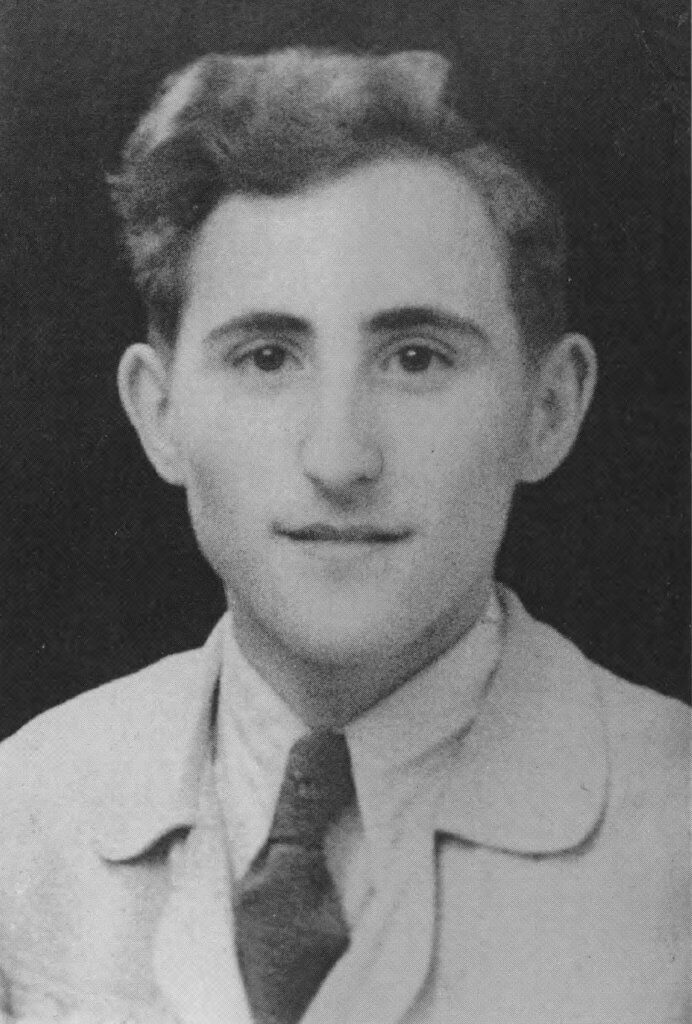
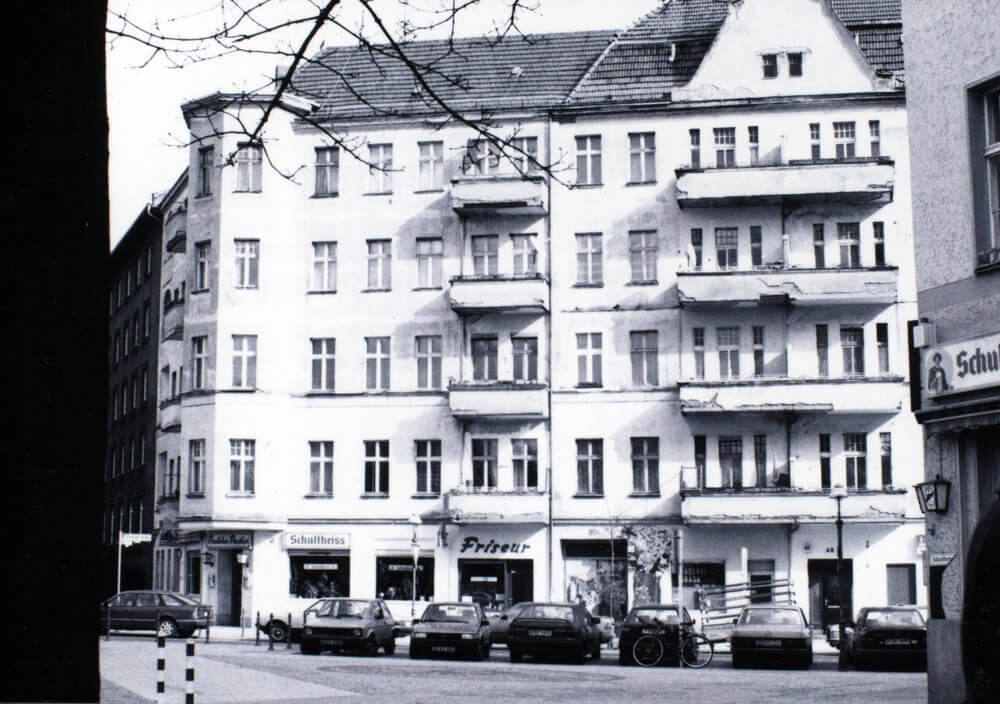
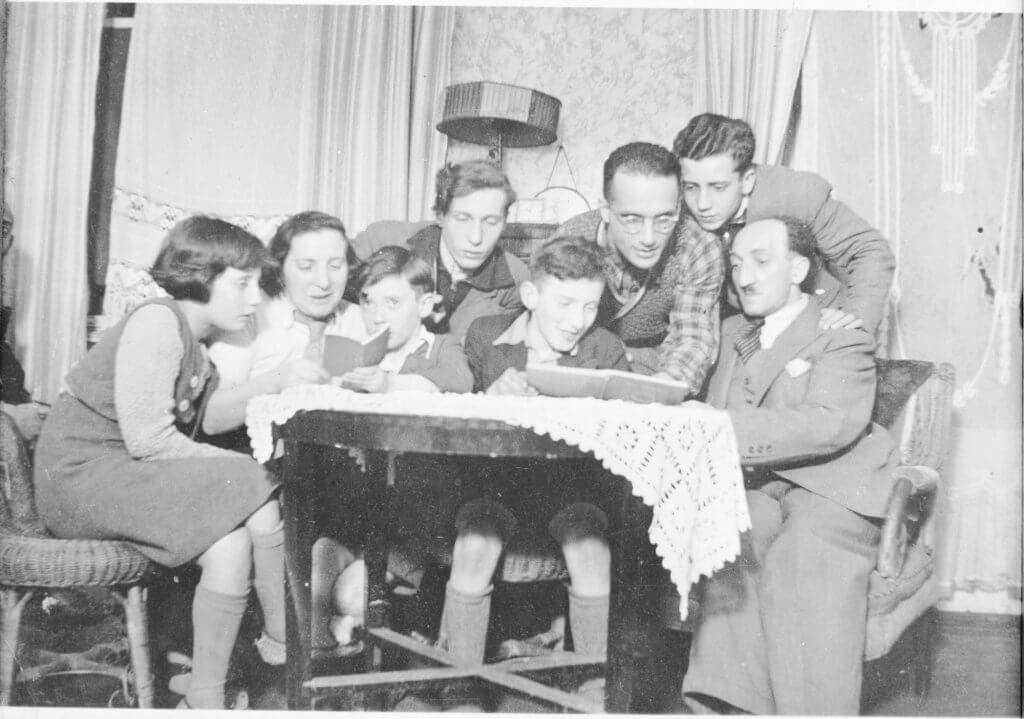
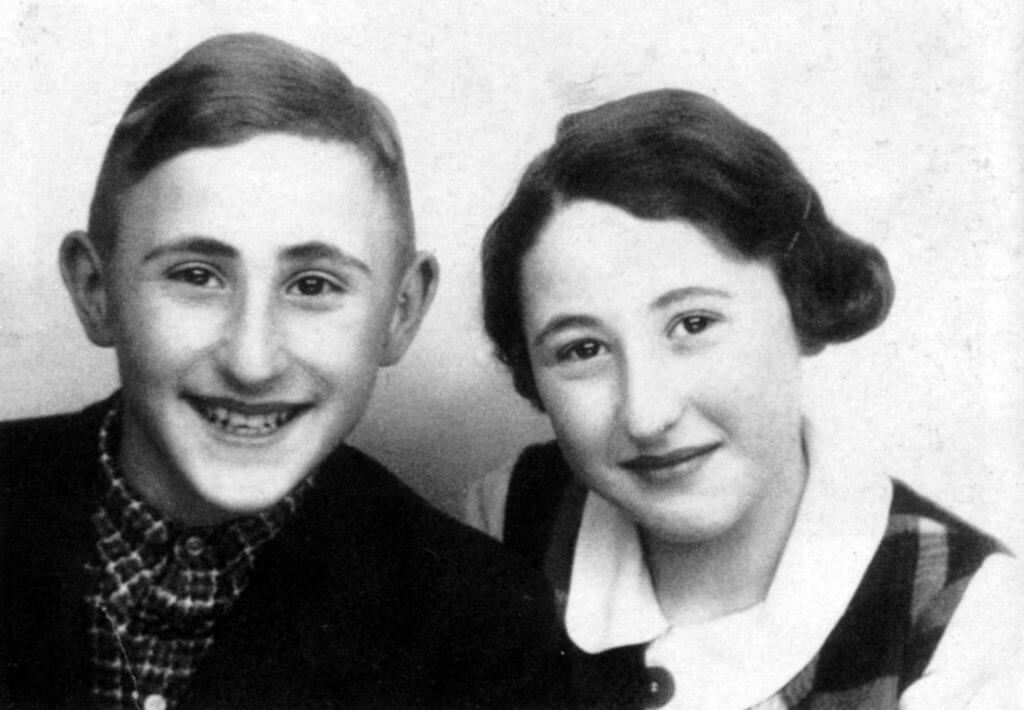
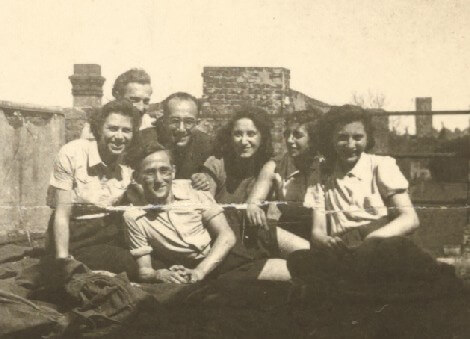
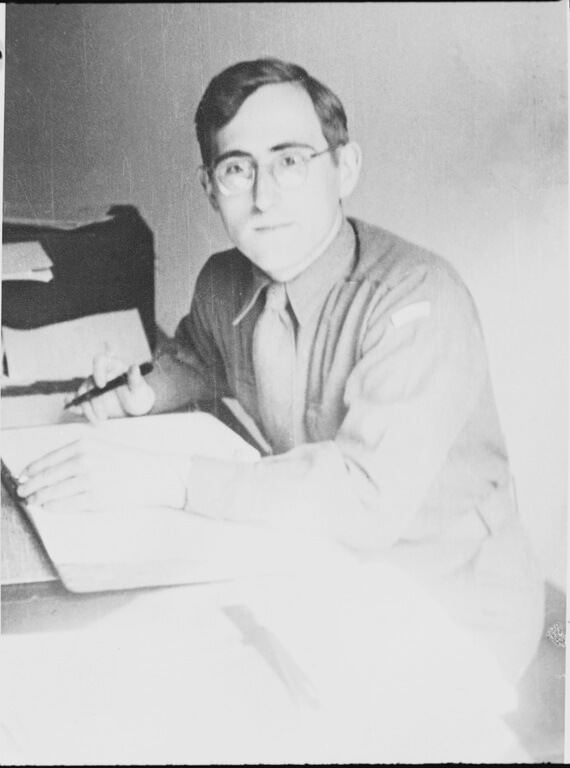
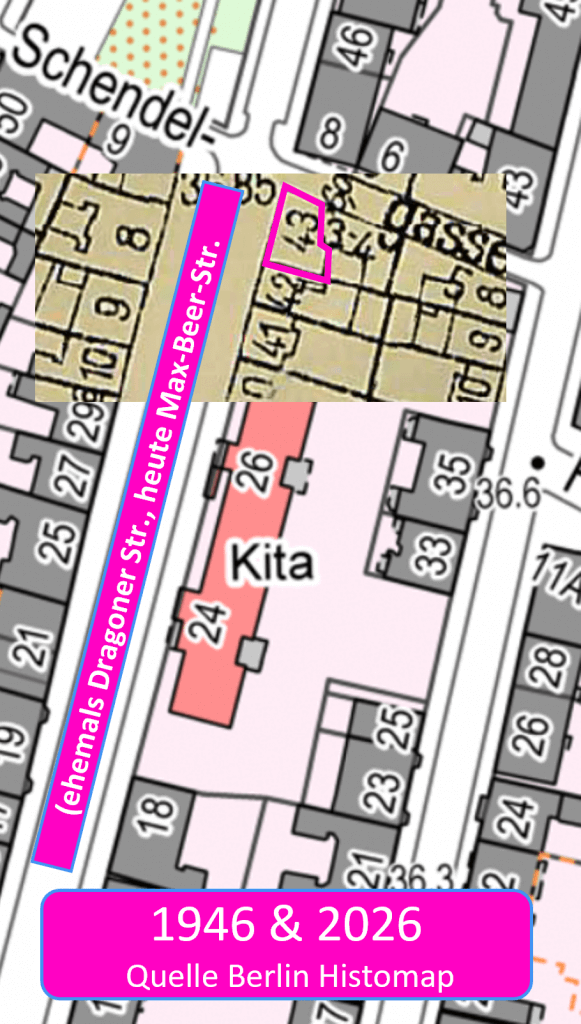
Manfred Lewin was born on September 8, 1922, in Berlin, into a Jewish family firmly rooted in the city’s everyday life. He was the second-oldest child of Jenny Lewin, a secretary, and Arthur Lewin, a hairdresser. Together with his parents, his brother Siegfried, who was two years older, and his younger siblings Rudolf, Cäcilie and Gerd, he lived at Witzenhauser Straße 57b in Hohenschönhausen. In 1936, the family was forced to move to Dragonerstraße 43, now Max-Beer-Straße 38, where they lived in three small rooms on the third floor until their deportation.
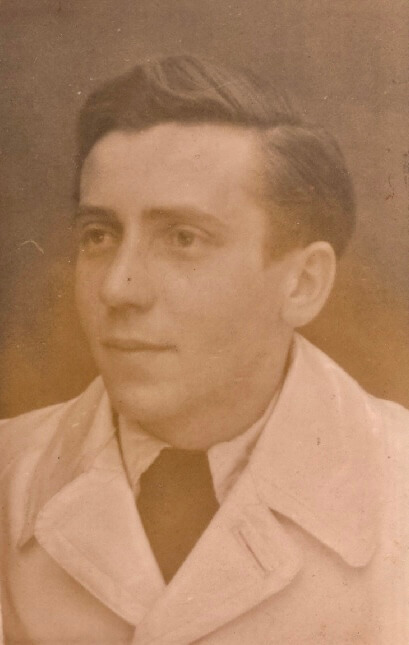
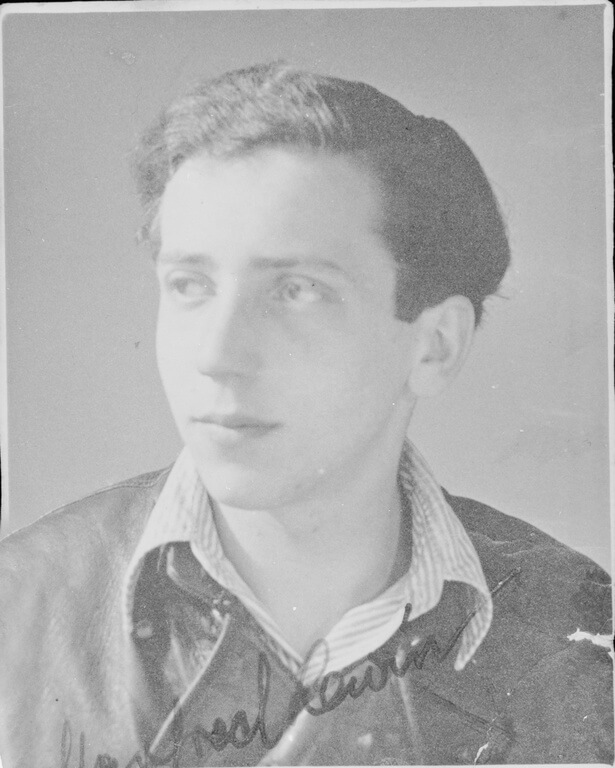
Gad Beck was born Gerhard Beck on June 30, 1923, at Prenzlauer Straße 46, now Karl-Liebknecht-Straße 32, in Berlin-Mitte. His father came from a religious Jewish family in Vienna, while his mother was Christian. She converted to Judaism to marry his father. In the difficult years that followed, his mother’s Christian family in Berlin became an important source of practical and emotional support.
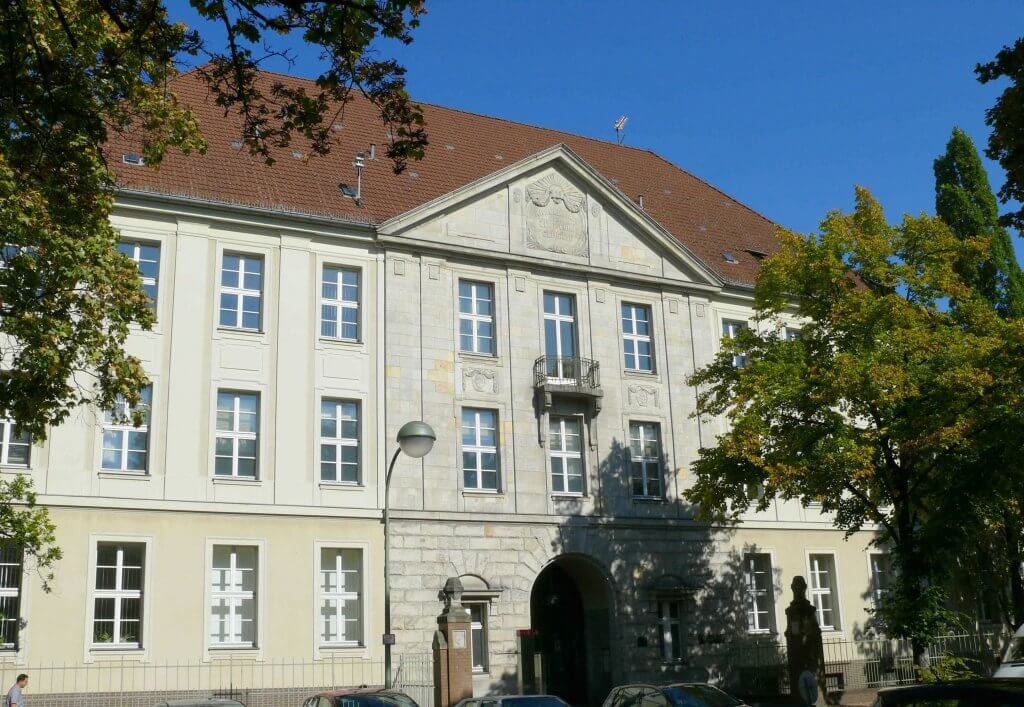
From the mid-1920s, the family lived at Woelckpromenade 6 in Weißensee. From 1933 onwards, Gad’s life began to change dramatically. His school, the Weißensee Reform-Realgymnasium, was renamed the Günther-Roß-Realgymnasium after a Nazi who had been killed. Today, it is the Primo Levi Gymnasium.
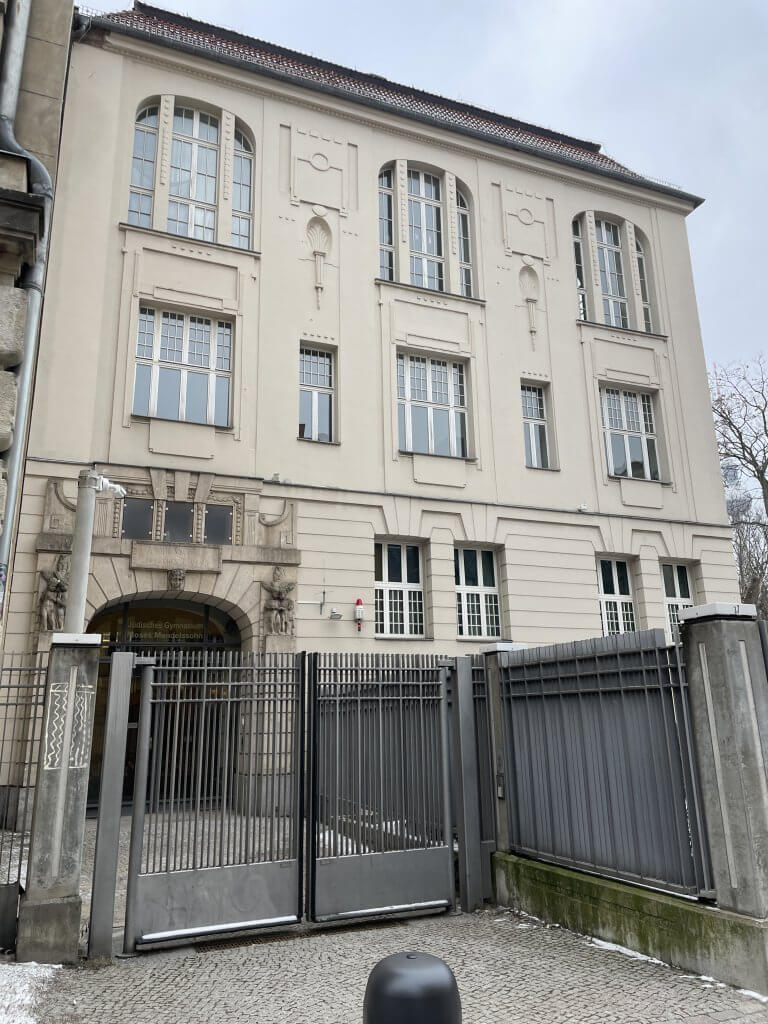
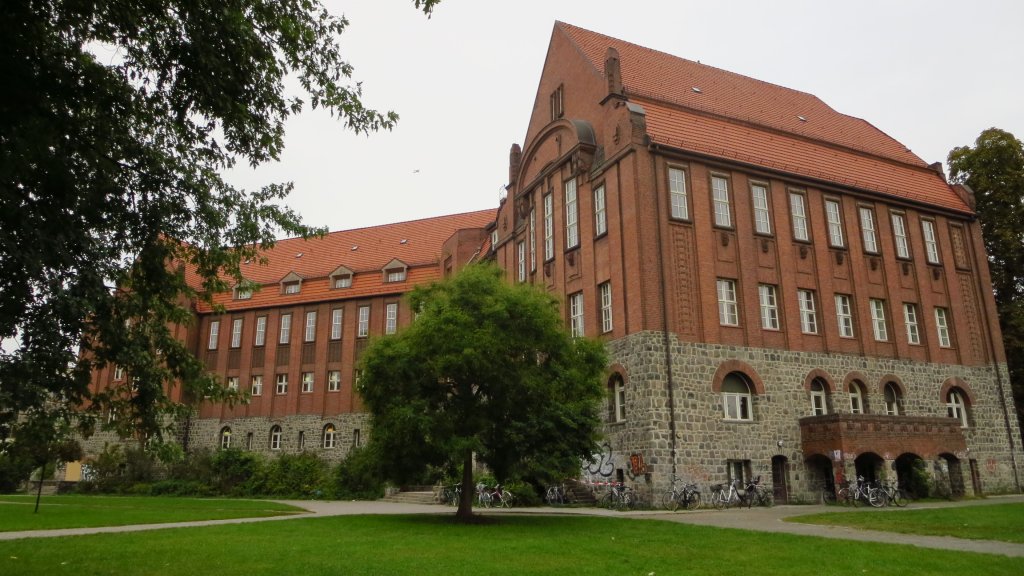
During flag-raising ceremonies, Gad and the other Jewish children were forced to stand apart from their classmates. They were bullied and excluded. Gad no longer felt comfortable at the school and insisted that his parents transfer him to the Jewish secondary school, today known as the Jüdisches Gymnasium Moses Mendelssohn, on Große Hamburger Straße in Berlin-Mitte.
At the age of twelve, Gad already recognised his attraction to boys and spoke openly about it with his mother. She replied: “I thought as much.” From then on, he did not have to hide his homosexuality at home.
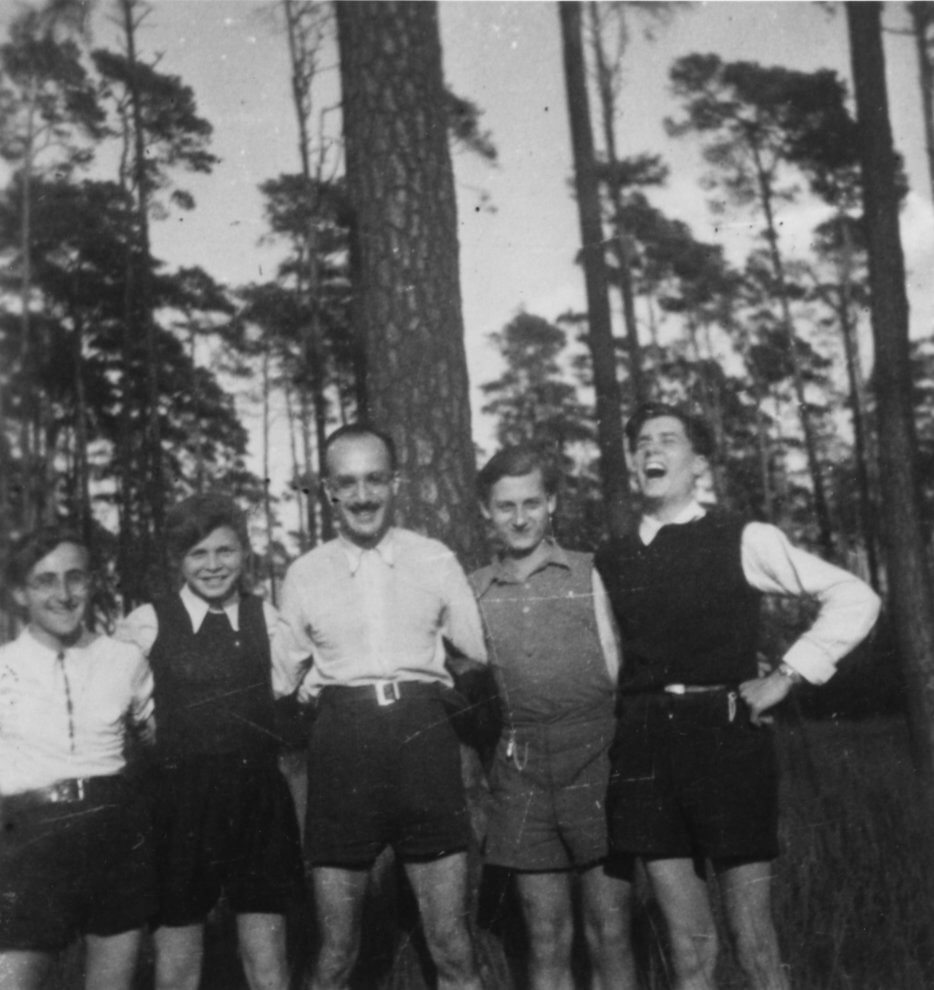
The increasing antisemitic persecution after 1933 encouraged Gad to take a greater interest in his Jewish identity. He became involved in the Zionist youth movement Hechaluz, Hebrew for “Pioneer”, which prepared young Jews for emigration and a new life in Palestine. This community strengthened his sense of Jewish identity. He also began using the Hebrew name “Gad”, which eventually became his permanent name.
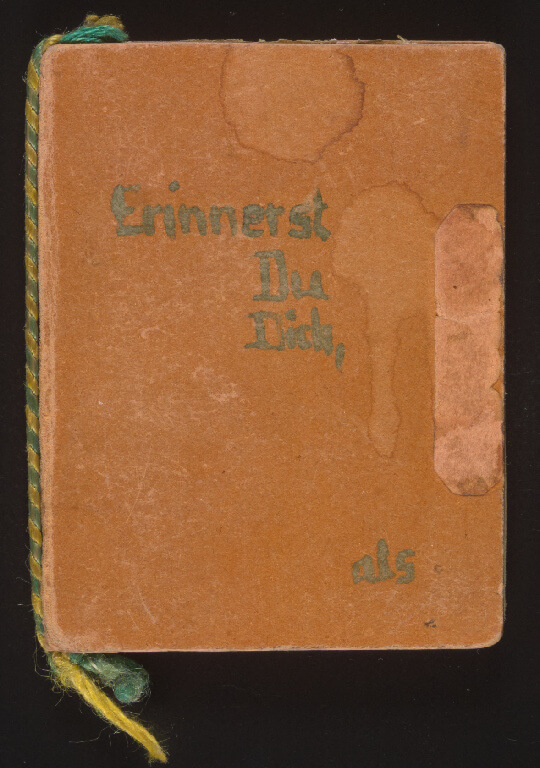
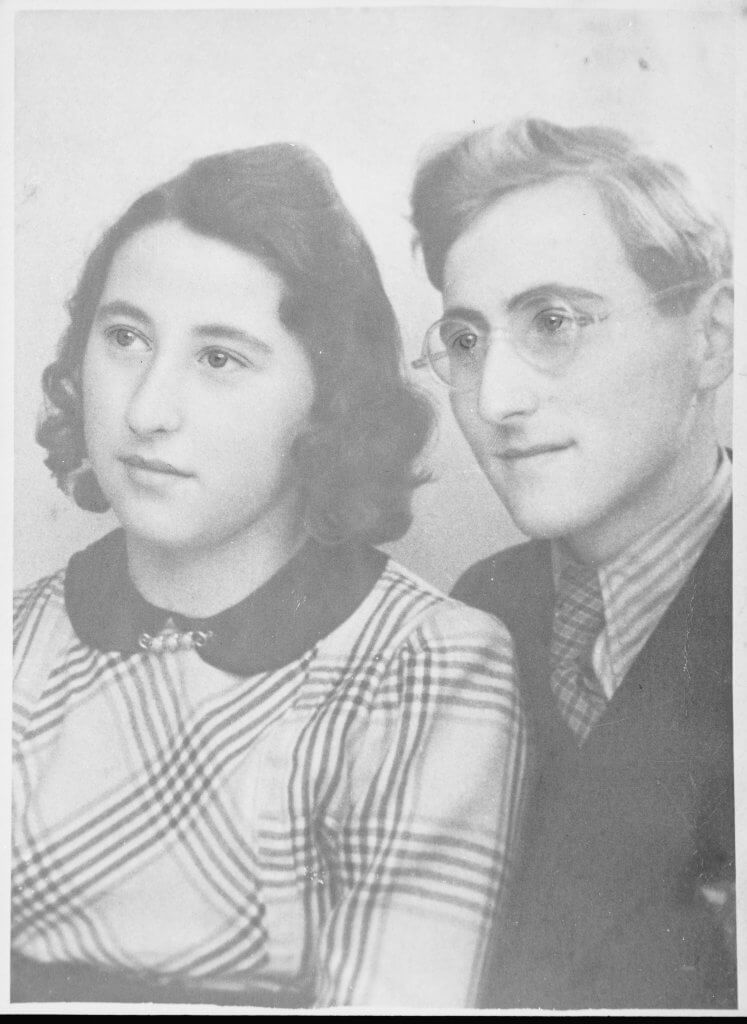
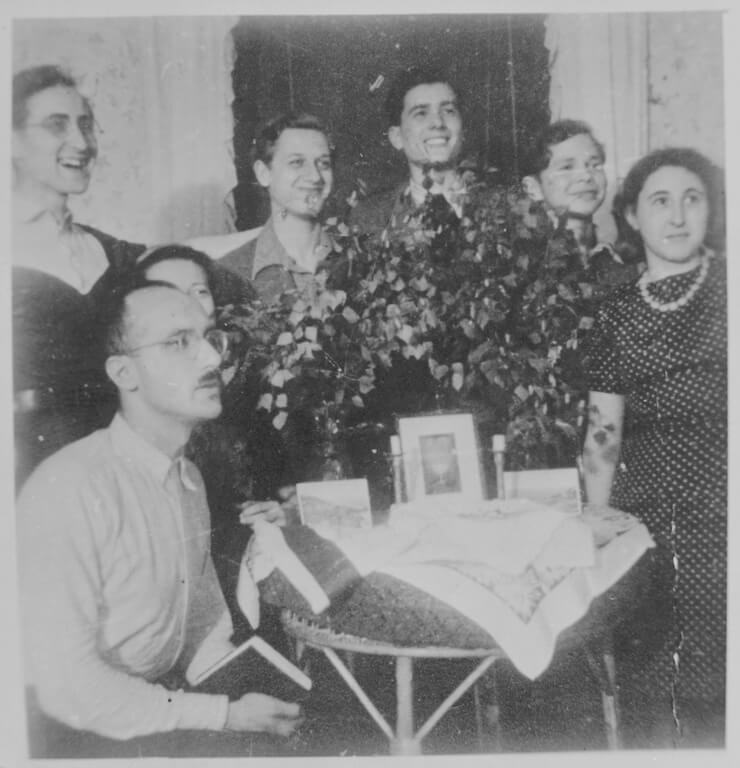
It was through Hechaluz that Gad met Manfred Lewin in 1941. They fell in love during rehearsals for a production of “Don Carlos”. Gad later recalled: “Our love was so strong. The nights belonged to us.” Manfred gave Gad a small booklet in which he wrote: “And closer grew the bond we shared, as Carlos found favour everywhere.”
The two spent many nights together, often in the cramped apartment of the Lewin family, where overnight guests were not unusual because Jews were subject to a nighttime curfew. They particularly enjoyed nights when they were assigned fire-watch duty in buildings. These gave them precious hours alone, filled with love and passion. In his booklet, Manfred wrote suggestively: “The night is not for sleeping alone, my dear. That’s why we’ve spent so many nights awake together.”
In the autumn of 1941, the deportations of Jews to the East began. Within the Jewish community, people debated whether families should stay together or whether individuals should try to go into hiding. Many refused to abandon their relatives — a decision that often had fatal consequences. Some members of Hechaluz, including Gad, later went into hiding because they distrusted the vague promises of supposed jobs in Poland.
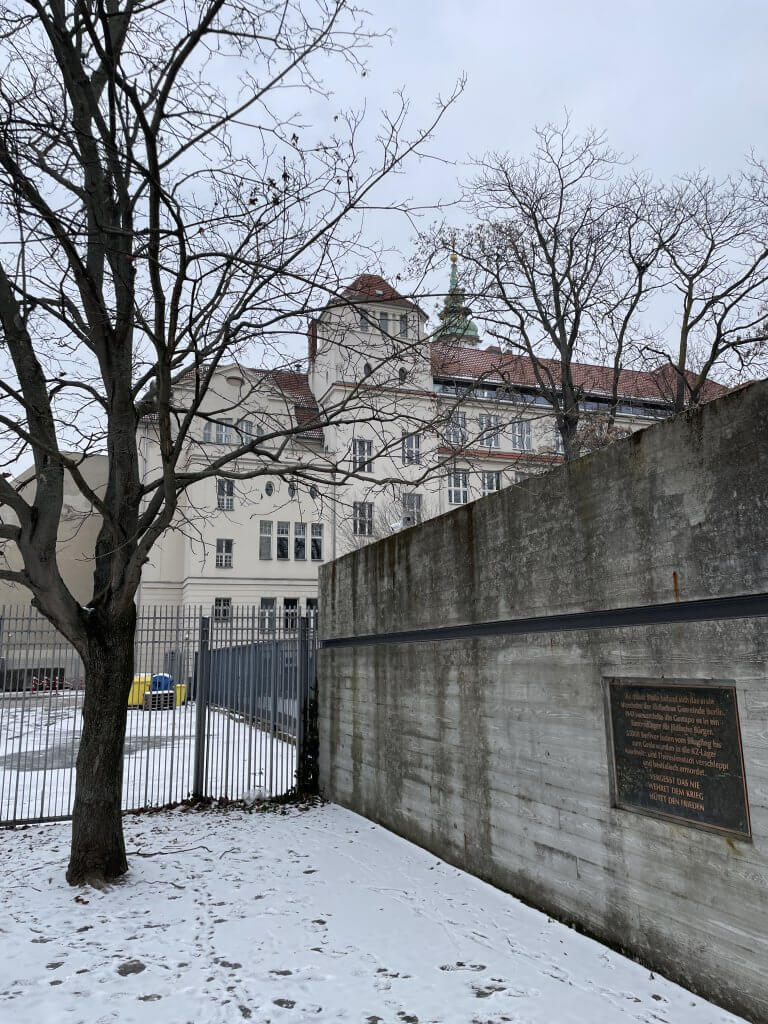
Manfred was forced to work for a painting and decorating company. In 1942, the Lewin family received orders for deportation. Gad, who initially enjoyed a degree of protection because of his parents’ so-called “mixed marriage” under Nazi racial laws, was encouraged by Manfred’s employer to attempt a daring rescue.The master painter lent him a Hitler Youth uniform. Wearing it, Gad entered the detention and deportation centre in the former Jewish retirement home at Große Hamburger Straße 26, directly next to his former Jewish school. He claimed to an SS officer that Manfred was a saboteur who possessed keys to customers’ buildings. Remarkably, Gad managed to leave the detention centre with Manfred.
In an interview, Gad later recalled: “And the two of us walk through that gate. We’re on Große Hamburger Straße, walking towards Hackescher Markt, until we reach a manhole cover. It’s still there today. The very same one! I’d given him twenty marks and said, ‘You must go straight to Uncle Bobby. You know I’ll come later, and then we’ll carry on.’ He took the twenty marks. He said nothing. […]
‘No,’ he says, ‘Gad, I can’t go with you. My entire family is there, and my whole family is sick and old and exhausted. I’ll never feel free if I sneak away and leave them behind.’ He turned around and went back.”
Shortly afterwards, on November 29, 1942, Manfred Lewin and his family were deported to Auschwitz-Birkenau and murdered.
The loss of his lover strengthened Gad’s determination to resist the Nazi regime. In February 1943, Gad himself was arrested during the so-called Fabrikaktion, or Factory Action, a large-scale roundup of Jews in Berlin. In Rosenstraße, non-Jewish relatives protested against the detention of their family members. Gad was released in early March.
He joined the Jewish Zionist resistance group Chug Chaluzi, meaning “Circle of Pioneers”, founded in 1943 by Jizchak Schwersenz and Edith Wolff. After Schwersenz escaped to Switzerland in February 1944, Gad took over leadership of the group.
From the autumn of 1944, Gad and his friend Zvi Aviram used an apartment at Utrechter Straße 50, now Groninger Straße 50 in Wedding, as their hiding place and headquarters. The group supplied Jews living in hiding with false identity papers, money, food and safe places to stay. They also helped some escape to Switzerland. Among those they supported was Hans Rosenthal, who later became a famous German television presenter with his show Dalli Dalli.
Gad Beck used his contacts and his remarkable ability to connect with people from very different backgrounds. He had a talent for recognising those whose hearts were in the right place — from Christian supporters and soldiers home on leave to sex workers and even Gestapo officers.
Wherever Gad found himself, he looked for men he was attracted to and tried to charm them. These encounters and moments of intimacy gave him positive energy and strength. He later said that being gay had given him the strength he needed for the resistance.
On March 2, 1945, Gad Beck and other members of Chug Chaluzi fell into a trap set by the Gestapo. Gad was arrested at the group’s headquarters and imprisoned in the pathology department of the nearby Jewish Hospital. He was injured when a bomb struck the building, but he survived.
In April, the camp commander received orders to execute the remaining Jewish prisoners. Instead, he unexpectedly handed them release papers. But the war was still raging outside, and SS members were still roaming the streets. Gad therefore remained in his now unlocked cell for about another week. His final liberation came when a Jewish soldier of the Red Army arrived looking for him and said in Yiddish: “Brother, you are free.”
Miraculously, Gad Beck, his twin sister Miriam and their parents all survived the Holocaust. In 1947, Gad emigrated to Palestine, which was still under British administration. In early 1948, he underwent military screening. In May 1948, the State of Israel was established. Gad served in the military and was deployed during the first Arab–Israeli War in July 1948, when Israeli forces captured the Palestinian village of al-Tira near Haifa.
Looking back, he explicitly described what happened to the Palestinian population as expulsion. The flight and expulsion of around 700,000 Palestinians during the war is known as the Nakba, an Arabic word meaning “catastrophe”. Although Gad had been deeply rooted in the Zionist movement, he later took a critical view of its role in the establishment of Israel. He criticised the violence against the Palestinian population and questioned the justification for the state’s founding. His position remained complex and sometimes contradictory. While he strongly criticised the events surrounding Israel’s establishment, he fundamentally recognised the State of Israel.
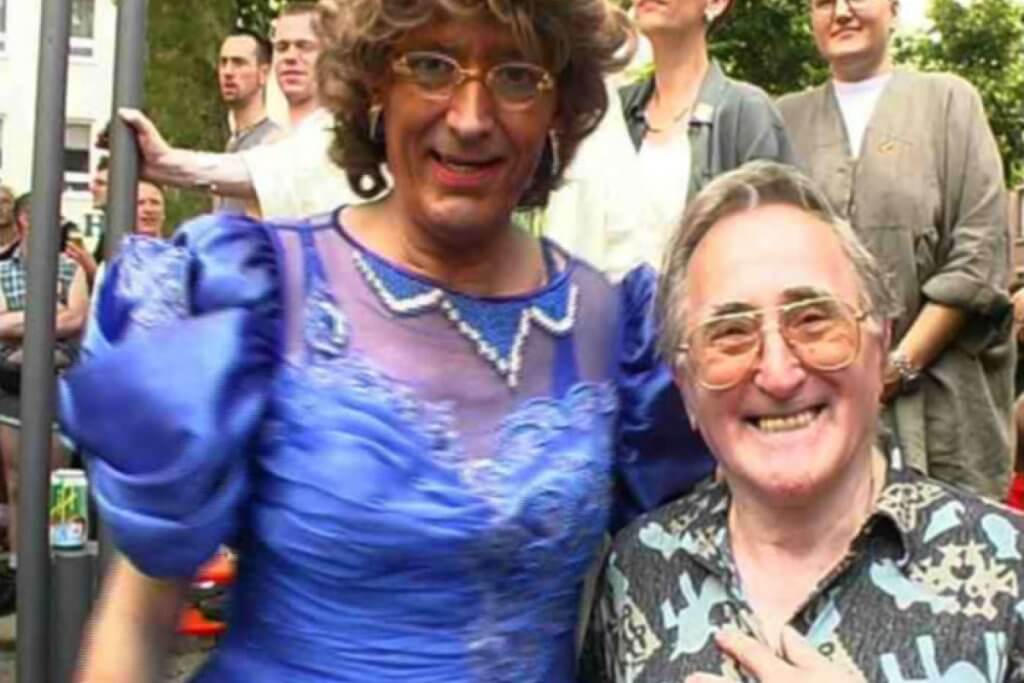
In Israel, Gad studied psychology and helped immigrants integrate into their new society. In 1979, he returned to Germany, became head of the Jewish Adult Education Centre in Berlin and took part in Christopher Street Day Pride demonstrations in Cologne, Berlin and New York as an openly gay activist. He helped shape and strengthen Jewish and queer life in West Berlin. For decades, he shared his personal happiness with his long-term partner, Julius Laufer.
In the 1990s, he published his autobiography Und Gad ging zu David — And Gad Went to David — and appeared internationally as a witness to the Holocaust.
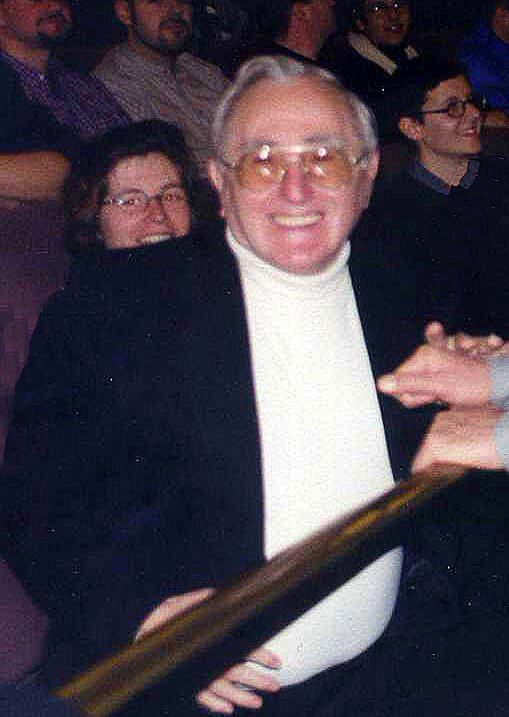
Gad was an extraordinary storyteller. Many video recordings show him as a warm, expressive, empathetic and passionate person who spoke with animated gestures. Many of these scenes can also be seen in the 2006 documentary Die Freiheit des Erzählens – Das Leben des Gad Beck — The Freedom of Storytelling – The Life of Gad Beck.
Gad had a remarkable ability to make the past feel immediate and alive. It is difficult not to be drawn into his stories. In Gad’s recollections, lived experiences and embellishments sometimes blur together, and contradictions emerge. One of his former companions even questioned the entire story of his final farewell to Manfred.
Gad offered us his own personal view of the world. It was his way of refusing to be merely a victim and instead taking ownership of his own story.
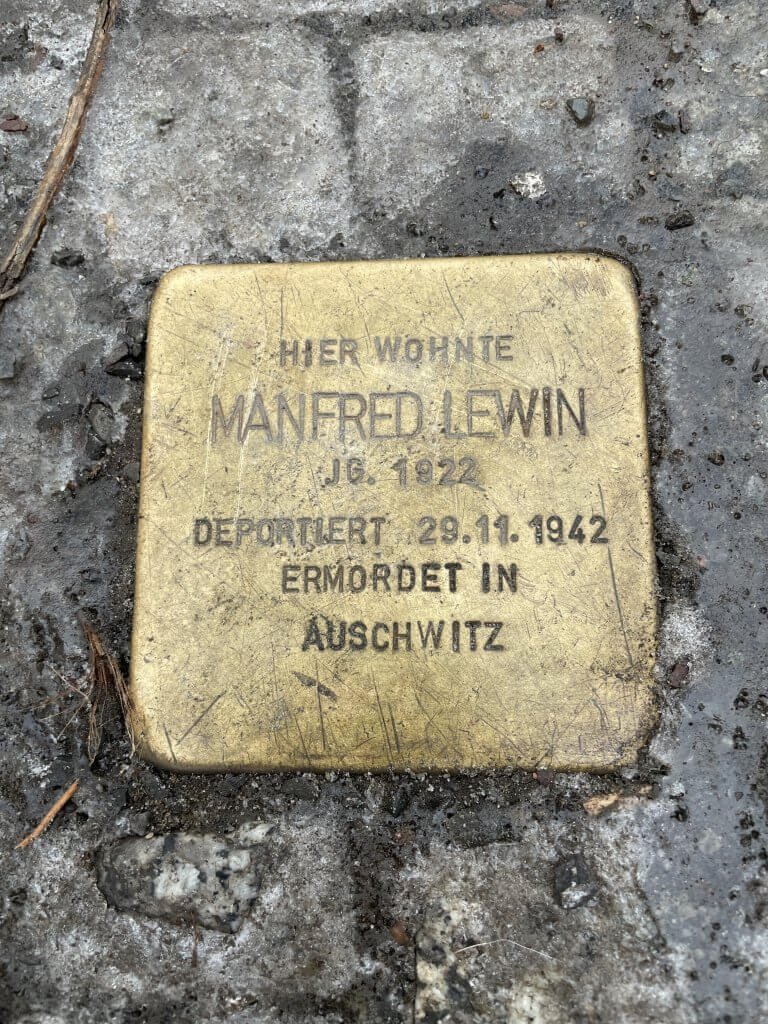
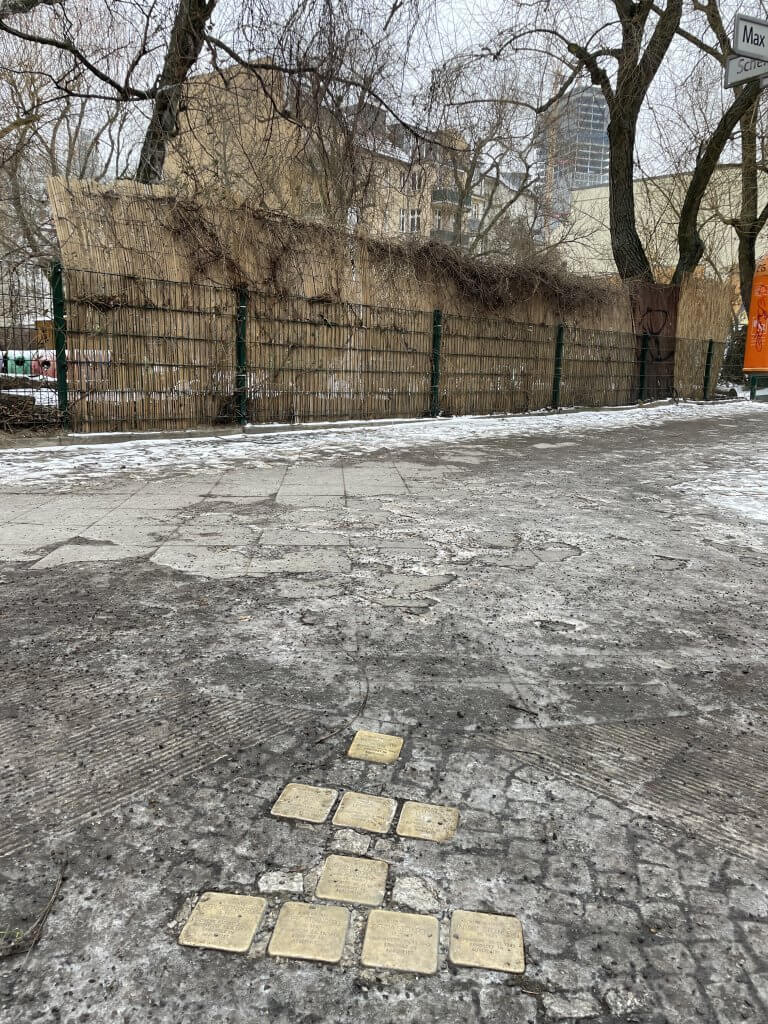
Since May 2011, a Stolperstein — a small brass memorial stone set into the pavement — at Max-Beer-Straße 38 has commemorated Manfred Lewin. The following year, Gad Beck died in Berlin at the age of 88. He was buried at the Jewish Cemetery on Heerstraße, near the Grunewald forest.